-
When Fish Catch Levels Off, Science Matters More Than Ever

Fish is a major source of protein for many people around the globe. The amount of fish harvested by wild capture fisheries grew from the 1950s to the 1980s, then started to level off in the 1990s, where it has remained stable—at about 80–90 million tonnes of fish annually. This is despite a continual increase…
-
Courtney Paquette on Big Data and Better Answers

Courtney Paquette, Ph.D., an assistant professor in McGill University’s Math and Stats Department, traces a path into research that starts far from the usual origin story. Speaking with Saura Naderi, UC San Diego, Paquette describes earning an undergraduate degree in finance before being pulled toward the applied math questions hiding inside real systems, including operations…
-
Tracing Ancient and Modern DNA Across Indigenous America

What does our ancient DNA tell us about who we are and how we moved around the globe? Genetic data is transforming how scientists understand human history, and Andrés Moreno-Estrada frames that shift through the genetics of Indigenous peoples in the Americas. Speaking at a CARTA symposium on ancient DNA, Moreno-Estrada, a medical doctor, says…
-
Start the New Year Strong: UCTV’s Best of Health & Science
If your goal for 2026 is to boost your health, sharpen your mind, or simply feel your best, you don’t have to look far for expert guidance. UCTV (University of California Television) brings the latest in science-based wellness, preventive health, and mental resilience straight from the nation’s top researchers. As the University of California’s public-service…
-
Scripps Researchers Decode the Ocean’s Chemical Language
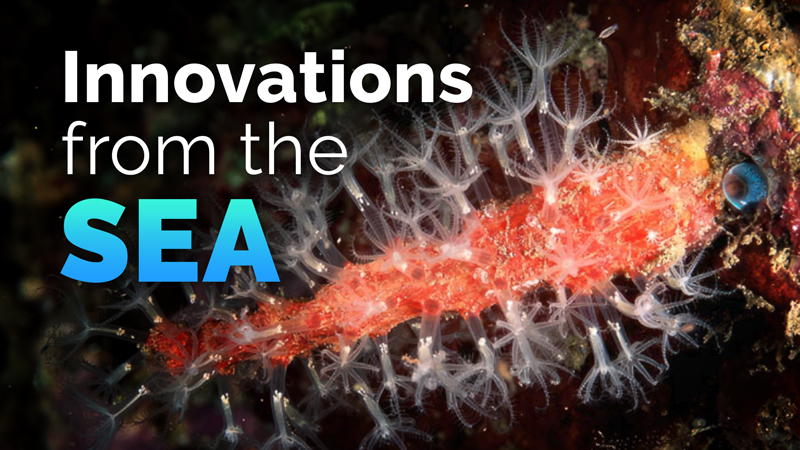
How do most organisms in the natural world communicate? According to researchers who study the ocean, it’s through the language of chemistry. At Scripps Institution of Oceanography, marine biologists Bradley Moore and Natalie Grayson explore how ocean life uses molecules as a kind of language—chemical cues that can shape what organisms do and how they…
-
Rewriting Our Story with Ancient DNA
Dramatic advances in ancient DNA technologies have revolutionized our understanding of the human past. Today, the genomes of more than 10,000 ancient humans have been sequenced. The new series from CARTA, Ancient DNA – New Revelations, explores the diverse applications of archaeogenomics in shaping not only a new vision of the human past, but also…
-
Tom Steyer on the Future of Energy
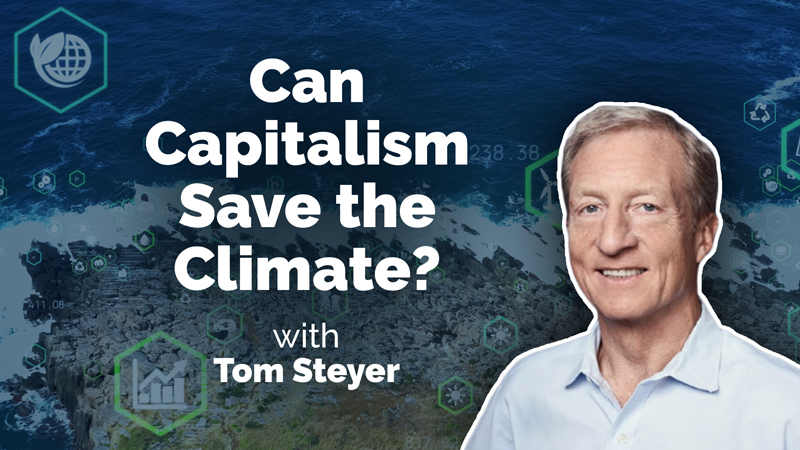
When climate investor and philanthropist Tom Steyer sat down with Scott Lewis of Voice of San Diego for the 2025 Charles David Keeling Memorial Lecture, one of the first things he talked about was a graph. Every morning, he checks the Keeling Curve, which he likens to “the Earth’s temperature,” comparing yesterday’s number with the…
-
AI and Genetic Medicine: Transforming How We Understand Disease
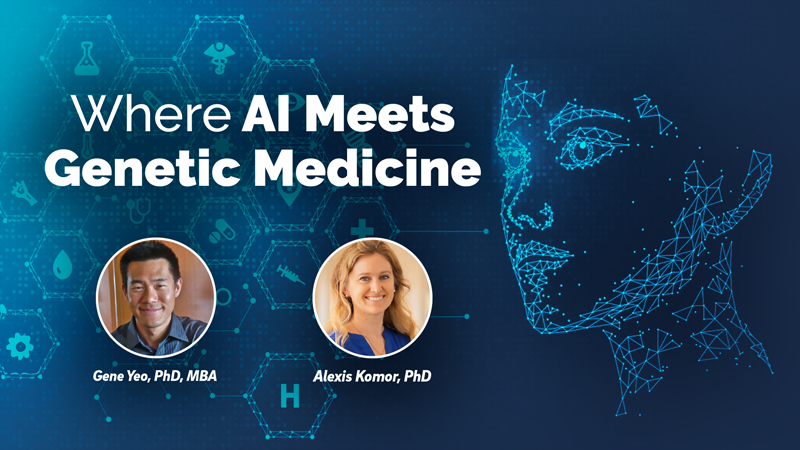
Artificial intelligence is reshaping how we understand the human body by making sense of vast amounts of biological data. In medicine, AI’s real promise lies in uncovering patterns hidden within the complexity of cells, genes, and proteins. This ability helps researchers move beyond treating symptoms and toward addressing the root causes of disease. At the…
-
From Fire to Freezers: The History of Eating
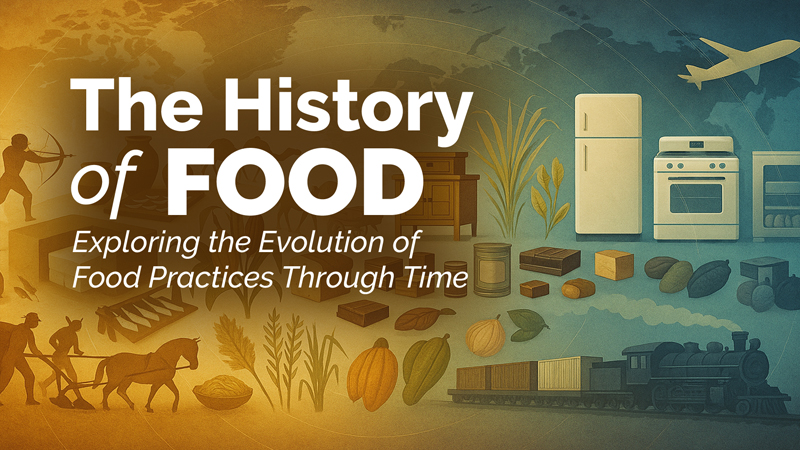
From mammoth hunters drying meat over open fires to today’s industrial food systems, the story of what we eat is deeply tied to human innovation. In this Osher UC San Diego Distinguished Lecture, Stanley Chodorow, Emeritus Professor of History at UC San Diego, traces this history by showing how food preservation began out of necessity.…
-
How to Talk About Research
What does it take to make science stick with an audience? According to Lisa Warshaw and Rob Signer, Ph.D., it’s not just about what you say, but how you say it. In a compelling conversation, they lay out the tools researchers need to communicate complex science clearly and memorably. Whether preparing for a media interview…