-
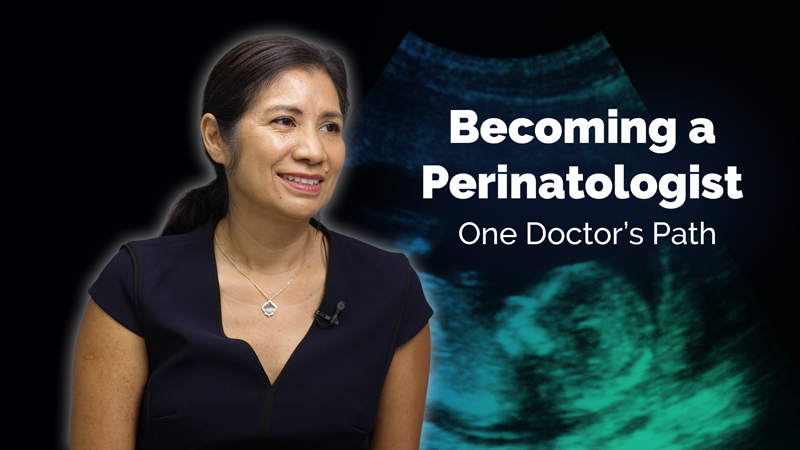
A Doctor’s Path, Shaped by Family and Community
Gladys (Sandy) Ramos, M.D., first learned about caring for others by watching her grandmother. Growing up in Lima, Peru, she saw her grandmother tend to relatives with warmth and compassion. In this program from UCTV’s Mi Camino series, Ramos shares how those early experiences, along with her family’s immigration to the United States, helped shape her path to…
-
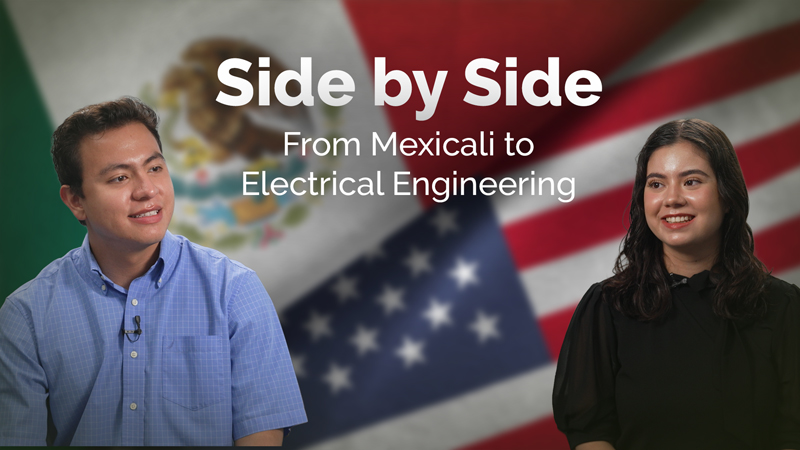
Dreaming Big, Building Together
For siblings Grecia Paola Siono Gutierrez and Jose Enrique Siono Gutierrez, the path to electrical engineering has always been something they traveled together. Growing up in Mexicali, they were surrounded by the cultures of both Mexico and the United States and encouraged by parents who took their ambitions seriously. When Grecia decided she wanted to…
-
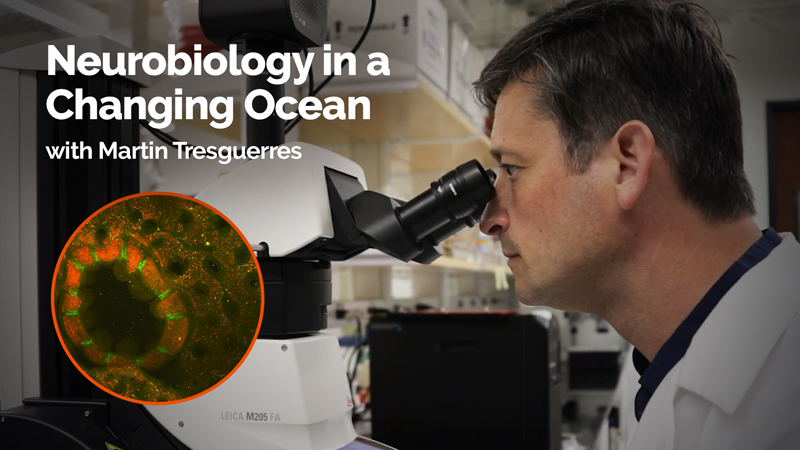
Understanding Marine Life in a Changing Climate
Climate change is reshaping ocean environments through warming, acidification, low oxygen and other pressures. For marine animals, understanding the consequences means looking closely at the systems that connect them to their surroundings. In this program, Scripps Institution of Oceanography marine biology professor Martin Tresguerres introduces the Allen Discovery Center for Neurobiology in Changing Environments, or…
-
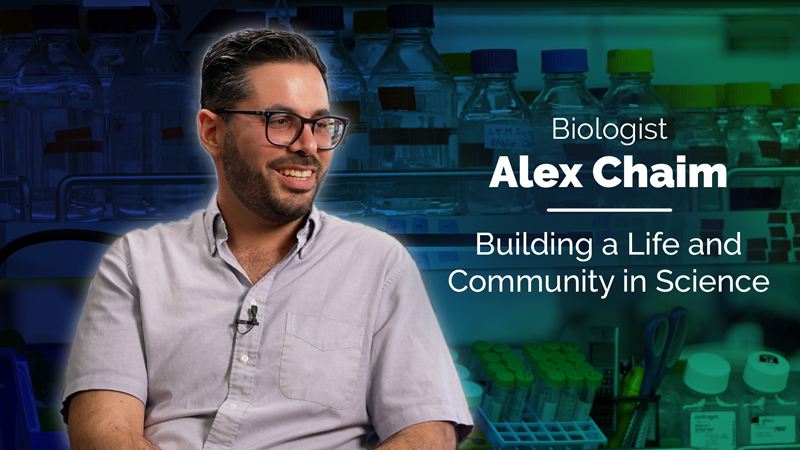
Building a Life in Science Through Mentorship and Community
A career in science is built on more than experiments. It can also depend on mentorship, persistence, community and the willingness to keep going when things do not work the first time. In this program, Alex Chaim, principal investigator of the Chaim Lab and assistant professor of cell and developmental biology at UC San Diego,…
-
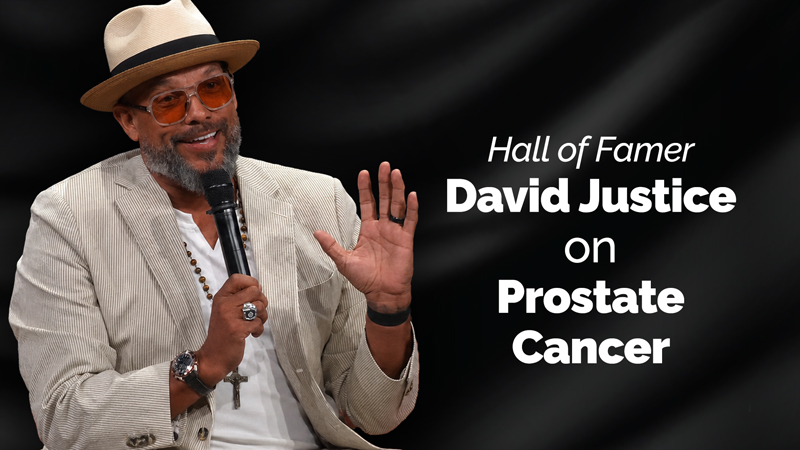
Winning the Day: David Justice on Cancer Advocacy
For people facing cancer, advocacy can begin with something simple: asking questions, sharing information and making sure the people around you are paying attention to their health. In this program from UC San Diego’s annual Prostate Cancer Patient Summit, keynote speaker and three-time MLB All-Star David Justice talks from the perspective of a friend, teammate…
-
New Directions in Women’s Health Research
Women’s health research often crosses boundaries between specialties, technologies and stages of life. The Second Annual UC San Diego Women’s Health Symposium brought those connections into focus, highlighting how collaboration can move research questions toward better understanding, new tools and future approaches to care. Hosted by the Department of Obstetrics, Gynecology & Reproductive Sciences and…
-
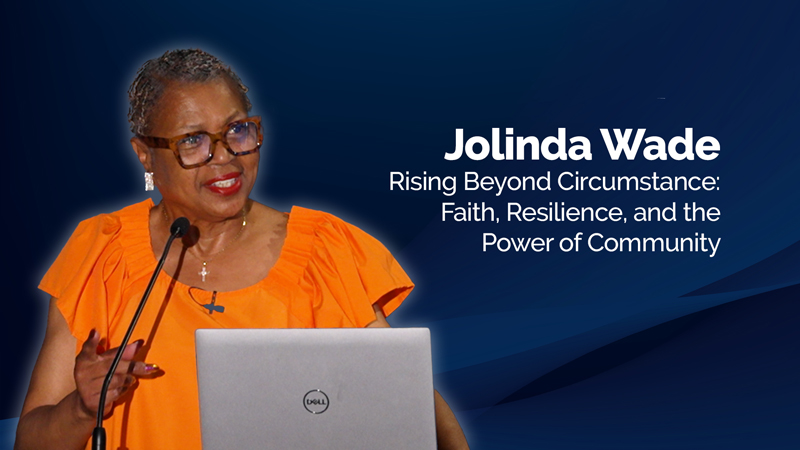
Conquering the Self
Jolinda Wade knows what it means to have a story that can be difficult to revisit. In this program, the pastor and author of In Conquering Me: A Memoir of Courage, Faith, and Transformation, looks back on addiction, homelessness, incarceration, trauma, and years of self-doubt—and on the choices that helped her build a different life. Wade…
-
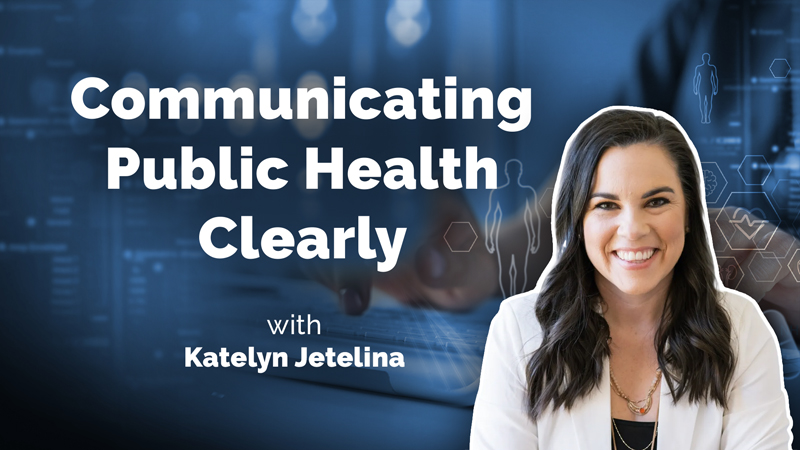
Communicating Public Health in a Time of Misinformation
Public health is often most successful when you don’t notice it—when clean water prevents outbreaks, vaccines stop disease before it spreads, and everyday protections quietly save lives. In this UC Berkeley Grad Lecture, epidemiologist and science communicator Dr. Katelyn Jetelina explores why that long-standing “invisible” nature of public health has become a problem. When people…
-
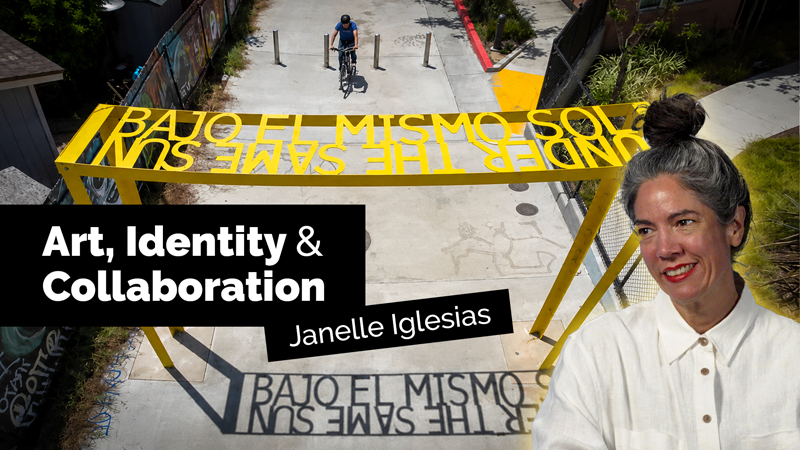
How Curiosity Can Shape an Education—and a Life
You do not have to know exactly where your education will lead before you begin. Artist and UC San Diego visual arts professor Janelle Iglesias entered college expecting to study medicine or public health. Instead, a job mixing glazes and loading kilns introduced her to ceramics—and helped open an entirely different path. Iglesias grew up…
-
The Anatomy of a Political Decision
What makes a political decision consequential? In this program, Sir Christopher Clark, Professor of History at the University of Cambridge, approaches that question by looking beyond individual leaders to the systems, institutions, and pressures that shape their choices. Clark begins with an 1887 letter from Emperor Wilhelm I to Otto von Bismarck, marking the 25th…

The latest news and information on the people and programs behind University of California Television