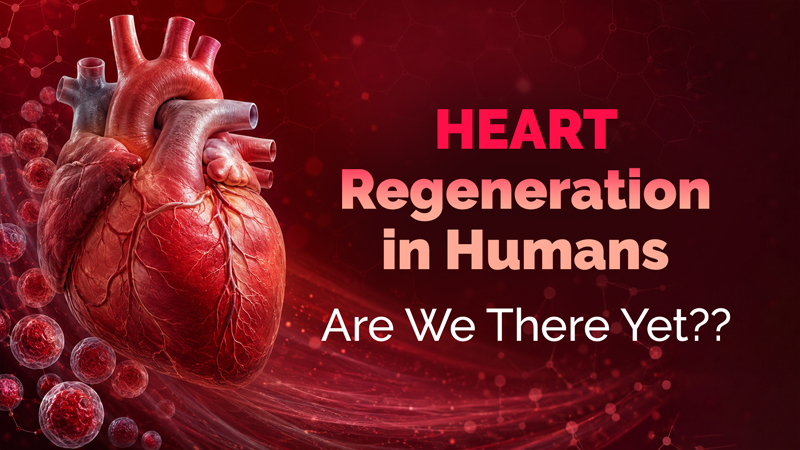
The adult heart has very little ability to replace muscle cells lost after a heart attack. Instead, it heals by forming scar tissue, reducing its pumping strength and often beginning a progressive decline toward heart failure. In this program, Charles Murry, MD, PhD, of the Keck School of Medicine of USC, discusses how he is working to change that by transplanting heart muscle cells made from stem cells.
Murry’s team has developed a process that can produce billions of cardiomyocytes in bioreactors. In preclinical research, transplanted cells survived, beat in sync with the heart and helped restore function lost after injury.
“This is what regeneration should look like,” Murry says.
But creating new muscle is only part of the challenge. Soon after transplantation, the immature cells can take over the heart’s rhythm, causing a dangerous complication called engraftment arrhythmia. The researchers paused their plans for a clinical trial to investigate the problem. Their work found that gene editing could sharply reduce the arrhythmia burden, while a combination of two existing drugs brought heart rates closer to normal.
The immune system presents another obstacle. Cells made from a recipient’s own tissue may reduce the risk of rejection, while cells from another source can require immunosuppression. Murry’s team is working toward a clinical trial for patients whose hearts have been severely damaged by large heart attacks. The research reflects a broader goal for regenerative medicine: developing treatments that can replace lost tissue while addressing the electrical and immune complications that could stand in the way.
Watch the full program: Stem Cell Cardiomyocytes for Heart Regeneration
Watch more presentations in the Stem Cell Seminar series.